 |
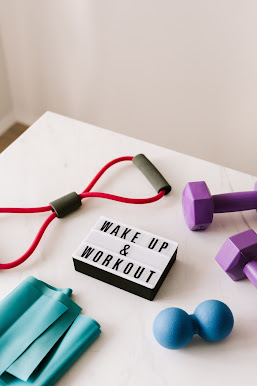
| Targeting the rotator cuff muscles with light dumbbells helps stabilize the shoulder joint and prevent injuries |
7 Effective Dumbbell Rotator Cuff Exercises for Bulletproof Shoulders
If you have ever felt a sharp twinge in your shoulder while pressing heavy dumbbells or reaching overhead, your rotator cuff might be crying out for help. While most lifters focus heavily on building visible muscle—like big front delts and wide side deltoids—they often completely neglect the deeper stabilizing muscles that keep the shoulder joint healthy.
Enter the rotator cuff.
Strengthening these smaller stabilizing muscles using targeted dumbbell rotator cuff exercises is the single best way to prevent shoulder pain, improve joint mobility, and build a solid foundation for heavy upper-body lifting.
In this guide, we will break down what the rotator cuff is, why light dumbbells are ideal for training it, and the 7 best exercises you can do at home or in the gym.
What Is the Rotator Cuff and Why Does It Matter?
The rotator cuff is not a single muscle. It is a group of four small muscles and their connecting tendons that form a sleeve around the head of your upper arm bone (humerus). These four muscles are:
- Supraspinatus: Helps initiate arm abduction (raising your arm sideways).
- Infraspinatus: Primary external rotator of the shoulder joint.
- Teres Minor: Assists in external rotation and stabilizing the arm bone in the joint socket.
- Subscapularis: Internal rotator of the shoulder joint.
Together, these four muscles pull the ball of your shoulder joint tightly into its socket. When they are weak or imbalanced, your shoulder joint becomes unstable, leading to impingement, inflammation, and painful rotator cuff tears.
Why Use Dumbbells for Rotator Cuff Training?
While resistance bands are popular for warm-ups, light dumbbells offer distinct advantages for rotator cuff strength:
- Constant Resistance: Dumbbells provide consistent gravitational resistance throughout the entire range of motion.
- Progressive Overload: You can easily measure your strength gains by micro-loading small weight increments (e.g., going from 2 lbs to 5 lbs).
- Unilateral Control: Working each arm independently fixes strength imbalances between your dominant and non-dominant shoulders.
Crucial Rule: The rotator cuff consists of small, delicate endurance muscles. Always use very light dumbbells (2 to 8 lbs) and focus strictly on controlled movement rather than heavy weight.
7 Best Dumbbell Rotator Cuff Exercises
Incorporate these seven exercises into your routine 2–3 times per week as a warm-up or prehab routine.
1. Side-Lying Dumbbell External Rotation
This is widely regarded by physical therapists as the gold standard isolation movement for the infraspinatus and teres minor.
How to Do It:
- Lie on your side on an exercise mat or flat bench, holding a very light dumbbell in your top hand.
- Bend your top elbow to a 90-degree angle and tuck it tightly against your side.
- Rest your lower forearm across your stomach with your palm facing down.
- Keeping your elbow pinned to your ribcage, slowly rotate your forearm upward toward the ceiling as far as comfortable.
- Pause for a second at the top, then slowly lower the weight back down over 2–3 seconds.
- Pro Tip: Place a rolled-up towel between your elbow and your body. Squeezing the towel ensures your arm stays properly aligned throughout the rep.
2. Seated Dumbbell External Rotation (Elbow on Knee)
This variation isolates external rotation from a sitting position, making it easy to perform anywhere with minimal equipment setup.
How to Do It:
- Sit on a flat bench or chair. Place your foot up on the bench so your knee is bent at 90 degrees.
- Hold a light dumbbell in the hand on that same side.
- Rest your elbow directly on top of your knee, with your forearm pointing straight forward.
- Slowly rotate your forearm back and upward until the dumbbell points toward the ceiling.
- Control the weight as you lower it back to the starting position.
- Pro Tip: Keep your wrist straight and firm throughout the entire movement—don't let the weight bend your wrist backward.
3. Standing Dumbbell High-Elbow External Rotation
This exercise trains rotator cuff stability at a 90-degree angle of arm elevation, closely mimicking the position your shoulder takes during heavy overhead pressing.
How to Do It:
- Stand upright holding a pair of light dumbbells.
- Raise your upper arms out to the sides until they are parallel to the floor, with your elbows bent at 90 degrees (forearms hanging down toward the floor).
- Keeping your elbows fixed in place at shoulder height, rotate your forearms up until your hands point toward the ceiling.
- Pause, squeeze your rear shoulder blades gently, then slowly rotate your forearms back down.
4. Dumbbell Prone Y-Raises
Prone raises hit the supraspinatus alongside the lower traps, promoting proper scapular rhythm and healthier overhead mechanics.
How to Do It:
- Lie face down on an incline bench set to a 30-to-45-degree angle, holding light dumbbells with palms facing each other.
- Let your arms hang straight down toward the floor.
- Keep your arms straight and raise the dumbbells upward and outward at a 45-degree angle (forming a "Y" shape with your body).
- Raise the weights until your upper arms are in line with your ears, squeeze at the top, and lower slowly.
5. Dumbbell Prone T-Raises (Horizontal Abduction)
T-raises target the teres minor, infraspinatus, and middle trapezius muscles to pull your shoulders out of a hunched forward posture.
How to Do It:
- Lie face down on a flat or slightly inclined bench with your arms hanging straight down, palms facing forward.
- Raise your arms straight out to the sides until they are parallel to the floor (forming a "T" shape).
- Squeeze your shoulder blades together at the top of the rep.
- Lower the dumbbells back down under full control.
6. The Dumbbell Cubans (Cuban Press)
The Cuban Press combines an upright row with external rotation, making it an all-in-one exercise for overall shoulder health and stability.
How to Do It:
- Stand tall holding light dumbbells at your thighs with an overhand grip.
- Pull the dumbbells straight up your body (like an upright row) until your elbows are flared out sideways at shoulder height.
- Without dropping your elbows, rotate your forearms up and back until the dumbbells are above your head level.
- Lower the weights back down by reversing the rotation smoothly.
7. Full Can Exercise (Scaption Raise)
Unlike lateral raises which work purely the side delts, the Full Can raise trains the supraspinatus muscle in the natural anatomical plane of the scapula.
How to Do It:
- Stand upright with a light dumbbell in each hand, palms facing forward or slightly inward (thumbs pointing up toward the ceiling).
- Raise your arms upward at roughly a 30-degree angle forward from your torso (not directly out to the side, and not straight out in front).
- Continue raising until your hands reach shoulder height.
- Pause briefly, then slowly lower the weights to your thighs.
Rotator Cuff Workout Routine & Programming
Because the rotator cuff muscles consist largely of slow-twitch muscle fibers, they respond best to higher repetitions and controlled movement rather than heavy loads.
Sample Shoulder Stability Routine
| Exercise Order | Exercise Name | Target Area | Sets x Reps | Rest Period |
| Exercise 1 | Side-Lying External Rotation | Infraspinatus & Teres Minor | 3 Sets x 12–15 Reps | 60 seconds |
| Exercise 2 | Dumbbell Prone Y-Raises | Supraspinatus & Lower Traps | 3 Sets x 12–15 Reps | 60 seconds |
| Exercise 3 | Full Can Exercise (Scaption) | Supraspinatus Stabilization | 2 Sets x 15 Reps | 45 seconds |
Safety & Form Guidelines for Healthy Rotator Cuffs
- Never Ego-Lift: If you need momentum or hip swinging to move the weight, the dumbbell is too heavy. Decrease the weight immediately.
- Warm Up Before Pressing: Perform 1–2 sets of external rotations before doing heavy dumbbell shoulder presses or bench presses to prime the joints.
- Listen to Sharp Pain: Discomfort from muscle fatigue is normal, but sharp or pinching joint pain is a warning sign. Stop the movement if you feel sharp pain.
Final Thoughts
Adding targeted dumbbell rotator cuff exercises to your weekly training plan takes less than 10 minutes, but pays huge dividends in shoulder stability, posture, and longevity. By keeping these four stabilizing muscles strong, you can safely build bigger, stronger shoulders without running into painful injuries.
Be sure to check out our complete guide on free weight shoulder exercises


.webp)

0 Comments